Introduction
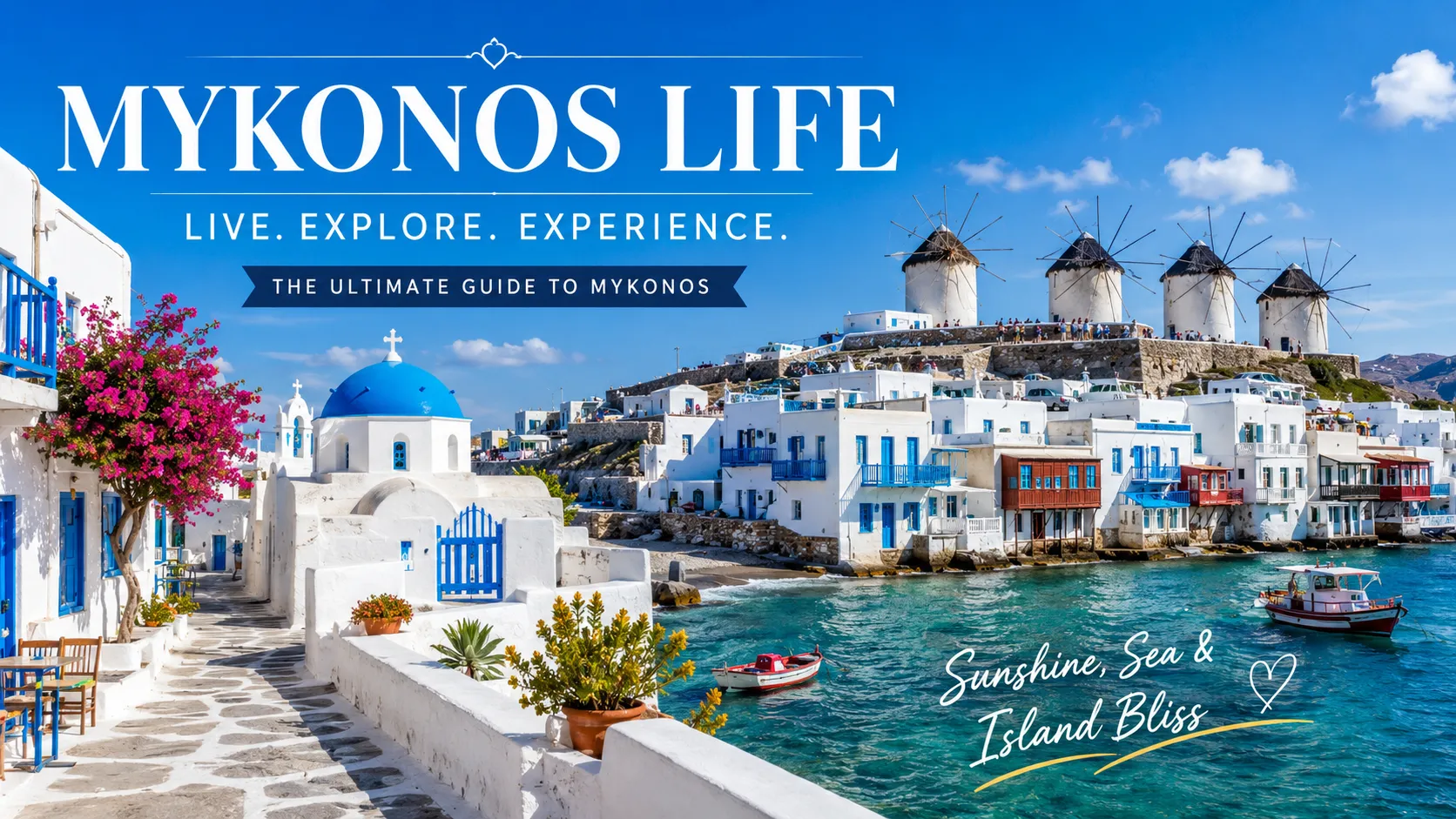
Mykonos Life is the perfect guide to discovering one of Greece’s most Beautiful islands. From stunning beaches and iconic whitewashed streets to local culture, delicious cuisine, and vibrant nightlife, this guide covers everything you need to know. Whether you’re planning a vacation or curious about island living, explore the best of Mykonos with practical tips, must-visit attractions, and unforgettable experiences.
What Is Mykonos?
Mykonos is a beautiful Greek island located in the Cyclades group of islands in the Aegean Sea. Although it covers only about 85.5 square kilometers (33 square miles), it has become one of the world’s most recognized luxury travel destinations.
The island is celebrated for its:
- Whitewashed Cycladic houses
- Narrow stone streets
- Blue-domed churches
- Historic windmills
- Crystal-clear beaches
- Luxury resorts
- Traditional tavernas
- Vibrant nightlife
- Boutique shopping
- Warm Greek hospitality
Every year, millions of visitors from around the world come to Mykonos to enjoy its unique combination of natural beauty, cultural heritage, and modern luxury.
Quick Facts About Mykonos
| Feature | Details |
| Country | Greece |
| Region | Cyclades Islands |
| Sea | Aegean Sea |
| Capital | Mykonos Town (Chora) |
| Area | Approximately 85.5 km² |
| Population | Around 10,000–11,000 (varies seasonally) |
| Official Language | Greek |
| Currency | Euro (€) |
| Time Zone | Eastern European Time (EET/EEST) |
| Driving Side | Right |
| Best Known For | Beaches, Windmills, Luxury, Nightlife |
| Peak Tourist Season | June–September |
Where Is Mykonos Located?
Mykonos lies in the heart of the Cyclades archipelago in the southeastern Aegean Sea.
Nearby Destinations
- Delos (UNESCO World Heritage Site)
- Tinos
- Paros
- Naxos
- Syros
- Santorini (accessible by ferry)
Its central location makes Mykonos an excellent base for island-hopping across the Greek Islands.
The History of Mykonos
The history of Mykonos dates back thousands of years and is deeply connected to Greek mythology.
According to legend, the island was named after Mykonos, a descendant of the god Apollo. Another myth tells that Hercules defeated the Giants during the Gigantomachy, and their petrified bodies became the rocky landscape of the island.
During ancient times, Mykonos served as an important maritime and trading center because of its strategic location in the Aegean Sea. It also became closely linked with the nearby sacred island of Delos, believed to be the birthplace of Apollo and Artemis.
Over the centuries, the island came under Byzantine, Venetian, and Ottoman rule. Each period left its mark on Mykonos through architecture, traditions, and local culture.
In the mid-20th century, tourism transformed Mykonos into one of Europe’s premier holiday destinations. Today, it is known worldwide for blending ancient history with modern luxury.
Why Is Mykonos So Famous?
Mykonos has earned global recognition because it offers something for every traveler.
Top Reasons to Visit Mykonos
- World-famous sandy beaches
- Crystal-clear turquoise waters
- Iconic whitewashed Cycladic architecture
- Historic windmills overlooking the sea
- Charming Little Venice district
- Delicious Greek and Mediterranean cuisine
- Luxury resorts and private villas
- Vibrant nightlife and beach clubs
- Boutique shopping with international brands
- Easy access to Delos Island
- Spectacular sunsets
- Friendly local atmosphere
Geography & Landscape
Mykonos features a diverse landscape despite its relatively small size.
Natural Features
- Rolling hills
- Rocky coastlines
- Sandy beaches
- Hidden coves
- Scenic harbors
- Olive groves
- Coastal cliffs
- Blue bays
- Traditional villages
- Open countryside
The island’s rugged terrain and stunning coastline make it ideal for sightseeing, photography, and outdoor adventures.
Climate & Weather
Mykonos enjoys a classic Mediterranean climate with warm, dry summers and mild winters.
Spring (March–May)
- Pleasant temperatures
- Blooming flowers
- Fewer tourists
- Great for hiking and sightseeing
Summer (June–August)
- Hot, sunny weather
- Peak tourist season
- Excellent beach conditions
- Bustling nightlife
Autumn (September–October)
- Warm sea temperatures
- Comfortable climate
- Smaller crowds
- Ideal for outdoor activities
Winter (November–February)
- Mild weather
- Peaceful atmosphere
- Lower accommodation prices
- Authentic local experience
Best Time to Visit Mykonos
Choosing the best time depends on your travel style.
| Travel Style | Best Months |
| Beach Holidays | June–September |
| Sightseeing | April, May, September, October |
| Honeymoon | May, June, September |
| Photography | April, May, October |
| Budget Travel | March, April, October, November |
| Digital Nomads | April, May, September, October |
| Nightlife | July, August |
How to Reach Mykonos
Getting to Mykonos is straightforward thanks to excellent air and sea connections.
By Air
Mykonos International Airport receives domestic flights from Athens and Thessaloniki, along with many seasonal international flights from major European cities.
By Ferry
Regular ferry services connect Mykonos with:
- Athens (Piraeus & Rafina)
- Santorini
- Paros
- Naxos
- Tinos
- Syros
- Andros
Ferries are a popular option for travelers exploring multiple Greek islands.
By Cruise Ship
Many Mediterranean cruise itineraries include Mykonos as a port of call, making it a favorite stop for international visitors.
Entry Requirements
As Greece is part of the Schengen Area, entry requirements depend on your nationality.
Before traveling:
- Check passport validity.
- Confirm whether you need a Schengen visa.
- Review the latest travel and customs regulations.
- Arrange travel insurance if recommended or required.
Always verify the most up-to-date requirements through official government or embassy sources before departure.
Interesting Facts About Mykonos
- Mykonos is nicknamed the “Island of the Winds” because of the strong summer Meltemi winds.
- The island is home to more than 400 churches and chapels.
- The famous windmills once played an important role in grinding grain.
- Nearby, Delos is one of Greece’s most significant archaeological sites.
- Little Venice is among the most photographed locations in the country.
- Mykonos attracts celebrities, honeymooners, families, and luxury travelers from across the globe.
- Traditional Cycladic architecture has remained a defining feature of the island for centuries.
Travel Tips for First-Time Visitors
To make the most of your trip, keep these practical tips in mind:
- Book flights and accommodation well in advance for summer travel.
- Reserve ferry tickets early during peak season.
- Pack sunscreen, sunglasses, and a reusable water bottle.
- Wear comfortable shoes for walking on cobblestone streets.
- Visit popular attractions early in the morning to avoid crowds.
- Explore quieter villages like Ano Mera for a more authentic experience.
- Carry some cash for smaller businesses.
- Respect local customs, especially when visiting churches.
- Stay hydrated during hot weather.
- Consider renting a car or ATV if you plan to explore beyond Mykonos Town.
Understanding Mykonos Life
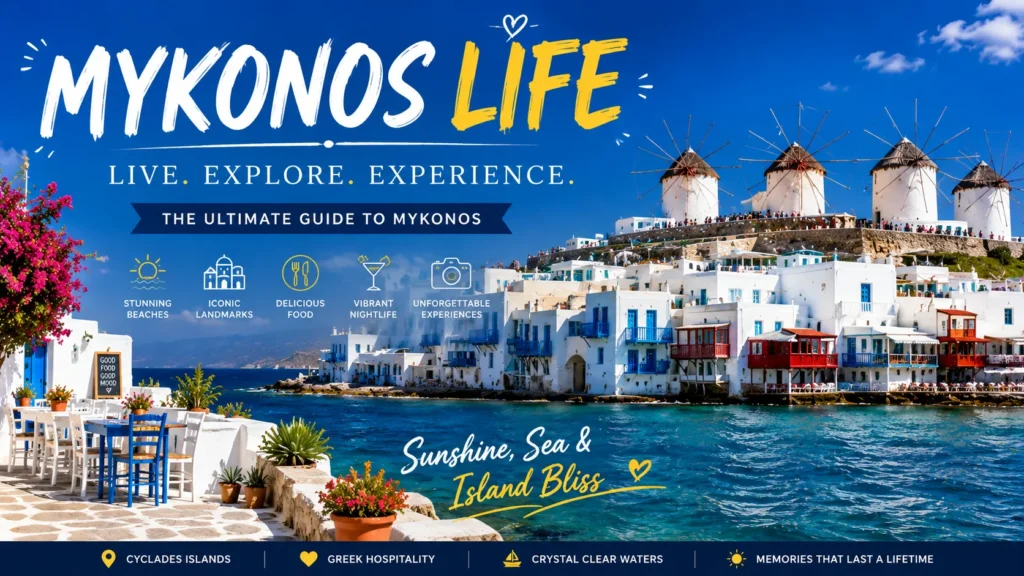
When people think of Mykonos life, they often picture glamorous beach clubs, luxury yachts, designer boutiques, and vibrant nightlife. While those experiences are certainly part of the island’s identity, everyday life in Mykonos is much richer and more authentic. Beyond the tourist hotspots, you’ll find peaceful villages, close-knit communities, traditional Greek customs, and a slower Mediterranean pace that locals have enjoyed for generations.
Whether you’re planning a vacation, considering moving to the island, or researching life as a digital nomad, understanding how residents live can help you experience the real Mykonos—not just its famous postcard views.
What Is Daily Life Like in Mykonos?
Daily life in Mykonos Changes
dramatically between the busy summer season and the quieter winter months.
Summer Life
During summer, the island becomes one of Europe’s busiest tourist destinations. Hotels, restaurants, beach clubs, and shops stay open late, and thousands of visitors arrive every day. Streets are lively, beaches are full, and local businesses operate at full capacity.
Winter Life
Once the tourist season ends, Mykonos transforms into a peaceful island. Many seasonal businesses close, residents return to their normal routines, and the atmosphere becomes calm and community-focused. Winter is when locals enjoy quieter beaches, traditional celebrations, and a slower pace of life.
The Mediterranean Lifestyle
Life in Mykonos reflects the classic Mediterranean way of living, where family, food, community, and outdoor activities are central to everyday life.
- Relaxed daily routine
- Fresh Mediterranean cuisine
- Outdoor cafés and seaside dining
- Strong family traditions
- Healthy work-life balance
- Beautiful natural surroundings
- Mild climate throughout much of the year
- Friendly local communities
Many locals enjoy spending time outdoors, whether it’s walking through villages, meeting friends for coffee, or watching the sunset by the sea.
A Typical Day in Mykonos
Morning
The day often begins with coffee and breakfast at a local café or bakery. Residents shop at local markets before heading to work.
Afternoon
Tourism-related businesses remain busy, especially in summer. Visitors spend their afternoons exploring beaches, shopping, or taking boat trips.
Evening
Families and friends gather at tavernas for fresh seafood, grilled meats, and traditional Greek dishes while enjoying the island’s relaxed atmosphere.
Night
Popular nightlife areas become energetic with music and entertainment, while residential villages remain peaceful.
Local Culture and Traditions
Despite its international reputation, Mykonos has preserved many important Greek traditions.
Family Values
Family plays a central role in daily life. Celebrations, meals, and religious holidays often bring multiple generations together.
Hospitality (Philoxenia)
Greek hospitality, known as Philoxenia, is a long-standing tradition that emphasizes kindness and generosity toward visitors.
Religious Traditions
The majority of residents follow the Greek Orthodox faith. Churches and religious festivals continue to play an important role in community life.
Traditional Celebrations
- Greek Orthodox Easter
- Christmas
- Village festivals (Panigyria)
- Saints’ feast days
- Traditional weddings
- Cultural music and dance events
Cost of Living in Mykonos
Mykonos is one of the most expensive islands in Greece due to its popularity with tourists and luxury travelers. Costs vary depending on the season and location.
Estimated Monthly Expenses
| Category | Typical Cost Level |
| Rent | High to Very High |
| Utilities | Moderate |
| Internet | Moderate |
| Groceries | Moderate to High |
| Dining Out | High |
| Public Transport | Affordable |
| Fuel | Moderate |
| Entertainment | High |
| Healthcare | Moderate |
Tips to Reduce Costs
- Rent outside Mykonos Town.
- Shop at local supermarkets.
- Cook meals at home.
- Use public buses.
- Visit during the off-season.
- Book long-term accommodation for better rates.
Mykonos Town (Chora)
The island’s vibrant center, ideal for those who enjoy restaurants, nightlife, shopping, and easy access to Attractions.
Best For
- Young professionals
- Business owners
- First-time visitors
- Luxury lifestyle seekers
Ornos
A peaceful coastal neighborhood with family-friendly beaches and excellent restaurants.
Best For
- Families
- Couples
- Long-term residents
- Retirees
Ano Mera
One of the oldest villages on the island, offering a quieter and more traditional atmosphere with relatively more affordable housing.
Best For
- Families
- Budget-conscious residents
- Digital nomads
- Culture lovers
Platis Gialos
A lively beach area with convenient transport connections.
Best For
- Beach enthusiasts
- Seasonal workers
- Visitors staying near the coast
Elia
Known for luxury villas, upscale resorts, and panoramic sea views.
Best For
- Luxury travelers
- High-end property buyers
- Privacy seekers
Working in Mykonos
Tourism is the island’s primary industry, creating many seasonal employment opportunities.
Popular Jobs
- Hotel staff
- Restaurant employees
- Tour guides
- Retail assistants
- Taxi drivers
- Boat crew
- Property managers
- Villa staff
- Event coordinators
- Photographers
Many businesses recruit seasonal workers during the busy summer months.
Digital Nomad Life
Mykonos has become increasingly attractive to remote workers seeking a scenic place to live and work.
Advantages
- Reliable internet in most hotels and cafés
- Beautiful work environment
- International community
- Pleasant weather for much of the year
- Easy island hopping
Challenges
- Expensive accommodation
- Crowded summer season
- Limited long-term rentals
Best Months for Remote Work
- April
- May
- September
- October
These months offer comfortable weather, fewer crowds, and better accommodation availability.
Transportation
Getting around Mykonos is relatively easy with several transport options.
Public Buses
Affordable buses connect Mykonos Town with major beaches and villages.
Rental Cars
Ideal for exploring remote beaches and lesser-known attractions.
Scooters and ATVs
Popular options for short-distance travel, especially during summer.
Water Taxis
Available seasonally to connect several popular beaches.
Walking
The narrow streets of Mykonos Town are best explored on foot.
Healthcare
Healthcare services on the island include:
- Public health center
- Private medical clinics
- Pharmacies
- Dental clinics
- Emergency medical care
For specialized treatment, residents may travel to larger cities such as Athens.
Travel insurance is highly recommended for international visitors.
Education
Educational facilities include:
- Public primary schools
- Secondary schools
- Nursery schools
- Language schools
- Private tutoring
- Online education options
Students pursuing higher education typically attend universities on the Greek mainland.
Safety in Mykonos
Mykonos is generally considered one of the safer destinations in Greece.
- Keep valuables secure in busy tourist areas.
- Drink plenty of water during hot weather.
- Use licensed taxis and transport services.
- Follow beach safety signs.
- Respect local customs and laws.
- Keep important documents in a safe place.
- Purchase travel insurance before your trip.
Internet and Mobile Connectivity
Internet access is reliable across most tourist areas.
Visitors can enjoy:
- Free Wi-Fi in many cafés
- High-speed hotel internet
- Strong mobile network coverage
- Local SIM cards
- eSIM compatibility
These services make Mykonos suitable for remote work and long-term stays.
Pros and Cons of Living in Mykonos
| Pros | Cons |
| Beautiful beaches | High cost of living |
| Mediterranean climate | Expensive housing |
| Safe environment | Crowded in summer |
| Excellent food | Heavy seasonal traffic |
| Friendly community | Limited long-term rentals |
| Outdoor lifestyle | Some businesses close in winter |
| Strong tourism economy | Seasonal employment |
Why People Love Mykonos Life
People are drawn to Mykonos because it combines stunning natural beauty with authentic Greek traditions. The island offers the chance to enjoy peaceful mornings by the sea, delicious local cuisine, charming villages, and world-famous attractions—all within a welcoming Mediterranean community.
For residents, Mykonos provides an exceptional quality of life with sunshine, coastal scenery, and strong cultural traditions. For visitors, it delivers unforgettable experiences that go far beyond beaches and nightlife.
Top Attractions in Mykonos
Beyond the beaches, Mykonos offers a wealth of cultural and historical attractions.
Mykonos Windmills
The island’s iconic windmills have become one of Greece’s most recognizable landmarks.
Why Visit?
- Stunning sunset views
- Historic architecture
- Excellent photography spot
- Easy walking distance from Mykonos Town
Little Venice
One of the island’s most picturesque neighborhoods, where colorful waterfront buildings stand above the sea.
Highlights
- Romantic sunsets
- Waterfront cafés
- Seafood restaurants
- Boutique bars
Mykonos Town (Chora)
The heart of the island features whitewashed streets, stylish boutiques, cafés, and traditional Greek charm.
Don’t Miss
- Narrow alleyways
- Local shops
- Art galleries
- Traditional bakeries
Panagia Paraportiani
One of Greece’s most photographed churches, famous for its unique whitewashed architecture.
Archaeological Museum of Mykonos
Explore fascinating artifacts that reveal the island’s ancient history and connection to nearby Delos.
Delos Island
A short boat trip from Mykonos takes you to Delos, one of Greece’s most significant archaeological sites and a UNESCO World Heritage Site.
Highlights
- Ancient ruins
- Temples
- Historic mosaics
- Mythological significance
Hidden Gems
Many travelers miss these quieter locations that showcase the authentic side of Mykonos.
Related To Another Article:https://genzwishes.com/retirement-wishes/
Ano Mera Village
A charming inland village where you’ll experience traditional Greek life, local cafés, and historic monasteries.
Armenistis Lighthouse
Offering panoramic views of the Aegean Sea, this lighthouse is one of the island’s best sunset locations.
Kapari Beach
A peaceful beach known for its crystal-clear water and fewer crowds.
Agios Sostis Beach
A quiet beach with no large commercial developments, ideal for travelers seeking nature and tranquility.
Local Art Galleries
Discover paintings, sculptures, ceramics, and handmade crafts by talented Greek artists.
Top Things to Do in Mykonos
No visit is complete without experiencing these activities.
- Explore the narrow streets of Mykonos Town.
- Watch the sunset at Little Venice.
- Visit the historic windmills.
- Relax on Paradise Beach.
- Take a boat trip to Delos.
- Enjoy authentic Greek cuisine.
- Join a sunset cruise.
- Go snorkeling or scuba diving.
- Shop for handmade souvenirs.
- Visit local museums.
- Experience beach clubs.
- Discover hidden beaches.
- Explore Ano Mera Village.
- Try traditional Greek desserts.
- Take memorable vacation photos.
Traditional Food in Mykonos
Greek cuisine is one of the highlights of any trip to Mykonos.
Must-Try Dishes
Moussaka
A classic baked dish made with eggplant, minced meat, potatoes, and creamy béchamel sauce.
Souvlaki
Grilled meat skewers served with pita bread, vegetables, and sauces.
Greek Salad
Fresh tomatoes, cucumbers, olives, onions, feta cheese, and olive oil.
Fresh Seafood
Enjoy grilled octopus, calamari, shrimp, sea bass, and other locally caught seafood.
Baklava
A sweet pastry made with layers of filo dough, chopped nuts, and honey syrup.
Louza
A traditional cured pork delicacy from the Cyclades region.
Kopanisti
A spicy local cheese with a distinctive flavor, often served with bread or crackers.
People Also Ask
A: Mykonos is famous for its whitewashed streets, iconic windmills, beautiful beaches, luxury resorts, vibrant nightlife, and charming waterfront district known as Little Venice.
A: Yes. Mykonos is one of the most expensive Greek islands, especially during the peak summer season. Visiting in spring or autumn can help reduce travel costs.
A: Life in Mykonos combines traditional Greek culture with a relaxed Mediterranean lifestyle. While summers are lively and tourism-driven, winters are quieter and centered around local community life.
A: Yes. Mykonos is generally considered a safe destination. As with any popular tourist area, it’s wise to keep an eye on your belongings in crowded places.
A: Yes. Foreign nationals can live in Mykonos, provided they meet Greece’s visa and residency requirements.
Conclusion
Mykonos life is about far more than Glamorous beach clubs and luxury hotels. It is a destination where history, tradition, breathtaking landscapes, and Mediterranean hospitality come together to create unforgettable memories.
Whether you’re planning your first Greek island adventure, searching for a peaceful escape, or considering a longer stay, Mykonos offers experiences that suit every travel style. From wandering through whitewashed alleyways and discovering hidden beaches to savoring authentic local cuisine and watching spectacular sunsets over the Aegean Sea, every visit reveals something special.
By exploring beyond the most famous attractions, respecting local traditions, and planning your trip thoughtfully, you’ll discover the authentic charm that makes Mykonos one of the world’s most beloved island destinations.