Introduction
Have you recently received a blood test showing low hemoglobin? Seeing an abnormal result can be worrying, Especially when you do not know what it means or whether it affects your health.
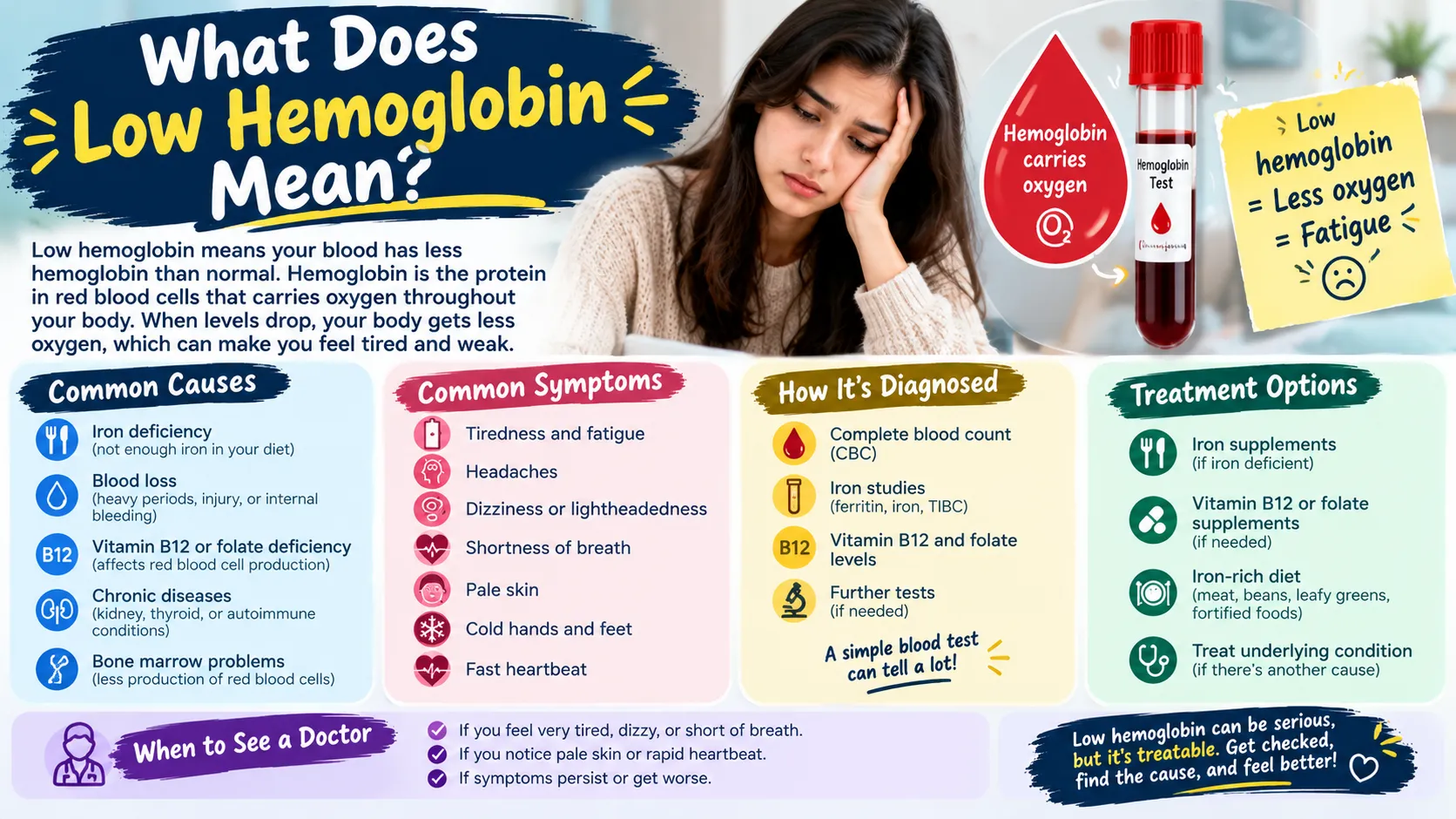
Low hemoglobin means your blood contains less of the oxygen-carrying protein found in red blood cells than expected. It can indicate anemia, a condition associated with iron deficiency, vitamin deficiencies, blood loss, chronic diseases, and several other health problems.
However, low hemoglobin is a laboratory finding, not a diagnosis of its underlying cause. Some people experience fatigue, dizziness, or shortness of breath, while others have no noticeable symptoms.
Understanding your result can help you recognize possible causes, learn which tests doctors may recommend, and know when to seek medical attention.
1. What Does Low Hemoglobin Mean?
Low hemoglobin means your blood has a lower-than-expected concentration of hemoglobin, an iron-containing protein inside red blood cells.
Hemoglobin carries oxygen from your lungs to your tissues and organs. When your hemoglobin level decreases, your blood may have a reduced capacity to transport oxygen throughout your body.
This condition commonly indicates anemia, although your healthcare professional must interpret the result using your age, sex, pregnancy status, medical history, and other blood test measurements.
For example, iron deficiency can prevent your body from producing enough hemoglobin. Blood loss can reduce the number of circulating red blood cells, while certain chronic illnesses can interfere with their production.
A low result does not automatically mean you have a serious disease. However, identifying the underlying reason is important because different causes require different treatments.
In simple terms: Low hemoglobin means your blood has less oxygen-carrying protein than expected, and a medical evaluation can help explain why.
2. What Does Hemoglobin Do in Your Body?
Hemoglobin performs an essential job in your circulatory system. It helps transport oxygen so your cells can produce the energy needed for everyday activities.
Your body depends on this protein for several important functions.
- Oxygen transportation: Hemoglobin collects oxygen in your lungs and carries it to different tissues.
- Carbon dioxide transportation: It helps transport some carbon dioxide from your tissues back toward your lungs.
- Energy production: Your cells need oxygen to support normal energy production.
- Organ function: Your brain, heart, muscles, and other organs depend on an adequate oxygen supply.
When hemoglobin levels decrease, your body may struggle to deliver enough oxygen, particularly during physical activity.
This explains why people with anemia sometimes feel exhausted after walking, climbing stairs, or completing ordinary tasks.
3. What Is Considered a Low Hemoglobin Level?
Hemoglobin is usually measured in grams per deciliter (g/dL). Your healthcare professional compares your result with an appropriate reference range to determine whether it is lower than expected.
According to the World Health Organization’s 2024 guidelines, the main anemia thresholds are:
| Population | Hemoglobin below |
| Adult men, ages 15–65 | 13.0 g/dL |
| Nonpregnant adult women, ages 15–65 | 12.0 g/dL |
| Pregnant women, first trimester | 11.0 g/dL |
| Pregnant women, second trimester | 10.5 g/dL |
| Pregnant women, third trimester | 11.0 g/dL |
| Children, ages 5–11 | 11.5 g/dL |
| Children, ages 12–14 | 12.0 g/dL |
These are WHO diagnostic thresholds, not universal laboratory reference ranges. Children younger than five require different age-specific thresholds. Individual interpretation also depends on relevant clinical factors. WHO 2024 Guidelines.
Examples of Low Hemoglobin Results
Consider these examples:
- An adult man with 12.5 g/dL has a result below the WHO anemia threshold.
- A nonpregnant adult woman with 11.5 g/dL also has a result below the threshold.
- A pregnant woman with 10.0 g/dL is below the WHO threshold in all three trimesters.
These examples help explain the thresholds, but they cannot determine the severity of someone’s symptoms or whether emergency treatment is necessary.
Your laboratory may display a slightly different reference range. Always discuss your actual result with a healthcare professional rather than relying on an online number alone.
4. What Are the Common Causes of Low Hemoglobin?
Low hemoglobin generally develops through three main mechanisms:
- Your body does not produce enough red blood cells.
- Your body destroys red blood cells faster than it replaces them.
- You lose blood through bleeding or other causes.
Understanding these mechanisms makes it easier to recognize the possible reasons behind an abnormal result.
Iron Deficiency
Iron deficiency is a common cause of anemia because your body needs iron to produce hemoglobin.
Possible reasons include:
- Not consuming enough iron-rich foods.
- Heavy menstrual bleeding.
- Blood loss from the digestive tract.
- Increased iron requirements during pregnancy.
- Problems absorbing iron.
- Certain digestive conditions.
Vitamin B12 Deficiency
Vitamin B12 helps your body produce healthy red blood cells.
A deficiency can develop because of inadequate dietary intake, absorption problems, pernicious anemia, or certain digestive conditions.
It can also cause neurological symptoms, including numbness and tingling in the hands and feet.
Folate Deficiency
Folate, also called vitamin B9, supports DNA production and normal red blood cell development.
Not getting enough folate can interfere with healthy blood cell production and contribute to anemia.
Blood Loss
Blood loss reduces the number of red blood cells circulating in your body.
Possible causes include heavy menstrual periods, injuries, surgery, stomach ulcers, and gastrointestinal bleeding.
Sometimes internal bleeding develops gradually without obvious symptoms.
Chronic Kidney Disease
Your kidneys produce a hormone called erythropoietin (EPO), which signals your bone marrow to produce red blood cells.
When kidney function decreases, your body may produce less EPO, contributing to anemia.
Chronic Diseases and Inflammation
Long-term infections, inflammatory conditions, and certain chronic illnesses can interfere with normal red blood cell production.
Examples include rheumatoid arthritis and inflammatory bowel disease.
Inherited Blood Disorders
Some inherited conditions affect hemoglobin production or red blood cell function.
Examples include:
- Thalassemia.
- Sickle cell disease.
- Other inherited hemoglobin disorders.
Bone Marrow Disorders
Your bone marrow produces red blood cells, white blood cells, and platelets.
Conditions affecting bone marrow function can reduce red blood cell production. Examples include aplastic anemia, leukemia, and certain other blood disorders.
Not everyone with low hemoglobin has a serious underlying condition. Appropriate testing helps distinguish between these possibilities.
5. What Are the Symptoms of Low Hemoglobin?
Symptoms depend on how low your hemoglobin level is, how quickly it decreases, and your overall health.
Some people with mild anemia experience no noticeable symptoms. Others develop problems that interfere with their daily activities.
Common symptoms include:
- Persistent fatigue: You may feel exhausted even after getting sufficient sleep.
- Weakness: Ordinary activities may require more effort than usual.
- Dizziness: You may experience lightheadedness, especially when standing.
- Shortness of breath: Physical activity may make you unusually breathless.
- Pale skin: Your skin, gums, or inner eyelids may appear paler than usual.
- Headaches: Some people experience frequent headaches.
- Rapid heartbeat: Your heart may beat faster to compensate for reduced oxygen delivery.
- Cold hands and feet: Your extremities may feel unusually cold.
- Difficulty concentrating: You may struggle to focus or think clearly.
Some symptoms can provide clues about the underlying cause.
For example, craving ice or other non-food substances can occur with iron deficiency. Numbness or tingling may occur with vitamin B12 deficiency.
However, these symptoms cannot confirm a specific type of anemia. Medical testing is necessary to establish the cause.
6. Can You Have Low Hemoglobin Without Symptoms?
Yes. You can have low hemoglobin without noticing any symptoms, particularly when the decrease is mild or develops gradually.
Your body may adapt to a gradual change, which means you might continue your normal activities without recognizing a problem.
Some people discover anemia during a routine complete blood count (CBC), even when they feel healthy.
However, having no symptoms does not mean you should ignore an abnormal result.
A healthcare professional may recommend additional tests to check your iron stores, vitamin levels, kidney function, and other possible causes.
If your hemoglobin remains low, follow-up is important even when you feel completely normal.
7. Does Low Hemoglobin Always Mean Anemia?
Low hemoglobin is one of the main laboratory findings used to identify anemia.
Anemia generally means your hemoglobin concentration or red blood cell mass is below the appropriate threshold for your population group.
However, a single abnormal result does not explain why the level is low.
Your doctor may also examine:
- Red blood cell count.
- Hematocrit.
- Mean corpuscular volume (MCV).
- Ferritin.
- Reticulocyte count.
- Other relevant blood measurements.
Blood volume changes, pregnancy, and certain medical circumstances can also influence hemoglobin concentration.
Anemia has several different types, including iron-deficiency anemia, vitamin-deficiency anemia, hemolytic anemia, and anemia associated with chronic disease.
Each type can have a different underlying cause and treatment approach.
Therefore, identifying the cause matters just as much as identifying the abnormal result.
8. Is Low Hemoglobin Dangerous?
Low hemoglobin can range from a mild abnormality to a serious medical problem.
Its significance depends on several factors:
- How far the level falls below the appropriate threshold.
- Whether the decrease happened suddenly or gradually.
- Whether you have noticeable symptoms.
- Whether you have an underlying medical condition.
- Whether you are experiencing ongoing blood loss.
Mild anemia may cause few or no symptoms. More significant anemia can affect your ability to exercise, work, and complete everyday activities.
Severe anemia may place additional strain on your heart and other organs, particularly if you already have cardiovascular or respiratory disease.
The underlying cause also matters. For example, untreated internal bleeding can become dangerous even when the initial hemoglobin result does not appear extremely low.
Is there one dangerously low hemoglobin number?
There is no single number that determines emergency risk for everyone. Doctors consider the actual result, symptoms, medical history, ongoing bleeding, and overall clinical stability.
If you experience chest pain, severe breathing difficulty, fainting, confusion, or heavy uncontrolled bleeding, seek emergency medical attention.
9. How Does Low Hemoglobin Affect Different Age Groups?
Low Hemoglobin can affect people at different stages of life. However, its possible causes and medical considerations vary.
Children
Children need sufficient iron and other nutrients to support normal growth and development.
Low hemoglobin may result from nutritional deficiencies, inherited blood disorders, chronic illnesses, or blood loss.
Parents should discuss abnormal results with a pediatric healthcare professional rather than giving children iron supplements without medical advice.
Women
Women may develop anemia because of heavy menstrual bleeding, pregnancy, nutritional deficiencies, or certain medical conditions.
Heavy or prolonged periods can gradually reduce the body’s iron stores.
Women experiencing unusual fatigue, dizziness, or excessive menstrual bleeding should discuss these symptoms with a healthcare professional.
Pregnant Women
Pregnancy increases the body’s requirements for iron and other nutrients.
Blood volume also changes during pregnancy, which affects hemoglobin concentration.
Doctors use trimester-specific thresholds and may recommend blood tests and appropriate supplements when necessary.
Older Adults
Older adults may develop low hemoglobin because of kidney disease, inflammation, nutritional deficiencies, digestive bleeding, or other medical conditions.
An unexplained abnormal result should not automatically be considered a normal part of aging.
10. How Do Doctors Diagnose Low Hemoglobin?
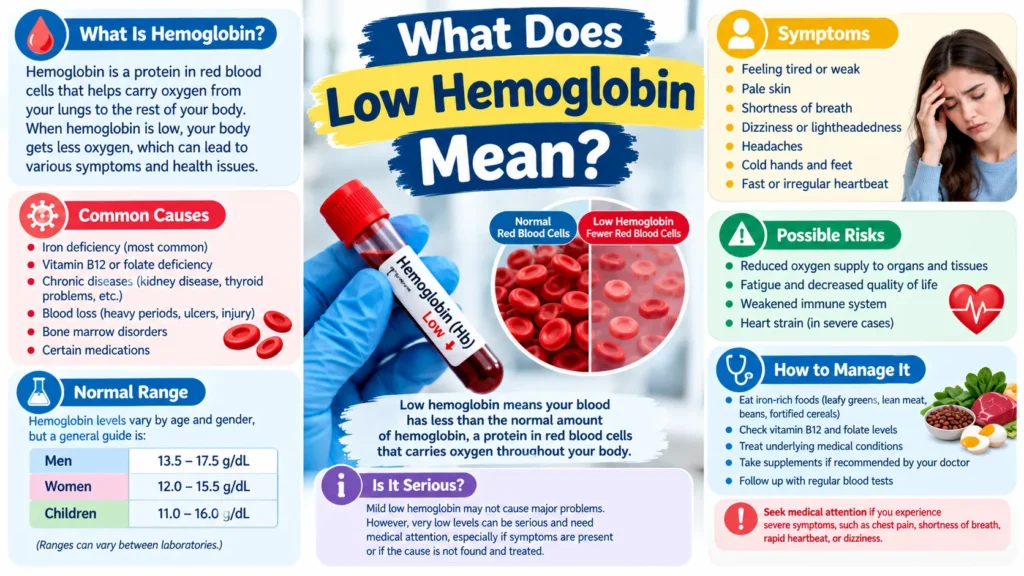
Doctors usually begin with a complete blood count (CBC), a blood test that measures different components of your blood.
A CBC typically includes:
- Hemoglobin.
- Red blood cell count.
- White blood cell count.
- Platelet count.
- Hematocrit.
- Mean corpuscular volume.
These measurements help healthcare professionals identify anemia and recognize patterns that may suggest a particular cause.
Depending on your medical history and initial results, additional tests may include:
Ferritin Test
Ferritin measures the amount of iron stored in your body.
Low ferritin often indicates depleted iron stores and can help identify iron deficiency.
Iron Studies
Iron studies may measure serum iron, transferrin, and total iron-binding capacity (TIBC).
These measurements help doctors understand how your body stores and transports iron.
Vitamin B12 and Folate Tests
These tests help identify nutritional deficiencies that may interfere with normal red blood cell production.
Reticulocyte Count
Reticulocytes are immature red blood cells.
Their number helps doctors understand whether your bone marrow is producing new red blood cells appropriately.
Additional Medical Investigations
Depending on the suspected cause, your doctor may recommend:
- Kidney function tests.
- Tests for inflammation.
- Stool testing for hidden blood.
- Urine tests.
- Digestive investigations such as endoscopy or colonoscopy.
- Genetic testing for inherited blood disorders.
- Bone marrow testing in selected cases.
The purpose of these investigations is not simply to confirm that hemoglobin is low. It is to understand why the result is abnormal.
11. How Is Low Hemoglobin Treated?
Treatment Depends on the underlying cause, severity of anemia, symptoms, and overall health.
There is no single treatment that works for every person.
Iron Supplements
Doctors may recommend iron supplements when testing confirms iron deficiency.
The appropriate dose and duration depend on your individual needs.
Iron supplements can cause side effects such as constipation, nausea, and stomach discomfort.
Taking iron without confirming a deficiency may cause unnecessary side effects and delay the diagnosis of another condition.
Vitamin B12 Supplements
Confirmed vitamin B12 deficiency may require oral supplements or injections.
The treatment method depends on the reason for the deficiency and how well your body absorbs the vitamin.
Folate Supplements
Folate supplements may help treat confirmed folate-deficiency anemia.
However, doctors should consider vitamin B12 deficiency before recommending folic acid alone because folic acid can improve some blood abnormalities while B12-related neurological damage continues.
Treating Blood Loss
When bleeding causes low hemoglobin, doctors need to identify and address its source.
Treatment may involve medication, procedures, or other medical interventions, depending on the cause.
Treating Chronic Conditions
Anemia associated with kidney disease, inflammation, or other chronic conditions may require condition-specific treatment.
Some patients may need medications that stimulate red blood cell production.
Blood Transfusion
A blood transfusion may be considered in certain cases of severe anemia or significant blood loss.
The decision depends on symptoms, clinical stability, the underlying condition, and the patient’s overall medical situation.
The most effective treatment is the one that addresses the actual reason your hemoglobin decreased.
Related To Another Article: https://genzwishes.com/mean-platelet-volume-high/
12. What Foods Help Increase Hemoglobin?
A balanced diet can support healthy red blood cell production, particularly when your body needs additional iron, vitamin B12, or folate.
However, food alone may not correct anemia caused by significant blood loss, poor nutrient absorption, chronic disease, or inherited conditions.
Iron-Rich Foods
Iron is essential for producing hemoglobin.
Good dietary sources include:
- Beef and other meats.
- Fish and seafood.
- Chicken.
- Lentils.
- Chickpeas.
- Beans.
- Spinach.
- Iron-fortified cereals.
Animal-based foods generally contain heme iron, which your body absorbs more easily than non-heme iron from plant foods.
Vitamin C-Rich Foods
Vitamin C helps your body absorb non-heme iron from plant-based foods.
Good sources include:
- Oranges.
- Lemons.
- Guavas.
- Strawberries.
- Bell peppers.
- Tomatoes.
Combining vitamin C-rich foods with meals containing lentils or beans can improve iron absorption.
Vitamin B12 Sources
Vitamin B12 supports healthy red blood cell development.
Useful sources include:
- Eggs.
- Milk.
- Yogurt.
- Fish.
- Meat.
- Fortified foods.
People following strict plant-based diets may need fortified foods or supplements after discussing their nutritional needs with a healthcare professional.
Folate-Rich Foods
Folate supports normal blood cell production.
Good sources include:
- Leafy green vegetables.
- Broccoli.
- Beans.
- Peas.
- Avocados.
- Fortified grains.
A varied diet supports healthy blood production, but dietary changes should complement rather than replace medical treatment when anemia has been diagnosed.
13. How Can You Help Prevent Low Hemoglobin?
Not every case of low hemoglobin can be prevented. Some inherited conditions and chronic illnesses require ongoing medical management.
However, certain habits can help reduce the risk of nutritional deficiencies.
- Eat a balanced diet: Include foods containing iron, vitamin B12, and folate.
- Combine iron with vitamin C: Add fruits or vegetables containing vitamin C to plant-based iron sources.
- Address heavy menstrual bleeding: Discuss unusually heavy periods with a healthcare professional.
- Follow up on digestive symptoms: Persistent stomach problems or unexplained bleeding need medical evaluation.
- Attend recommended checkups: Blood tests can help identify anemia before symptoms become noticeable.
- Use supplements appropriately: Take iron or vitamin supplements when recommended by a healthcare professional.
- Manage chronic conditions: Follow your treatment plan if you have kidney disease, inflammatory conditions, or other health problems.
Prevention works best when it addresses the factors responsible for your individual risk.
14. When Should You See a Doctor?
You should contact a Healthcare professional if your blood test shows low hemoglobin, particularly when the result is persistent, or you have symptoms.
Arrange a medical evaluation if you experience:
- Unusual or persistent fatigue.
- Frequent dizziness.
- Pale skin or gums.
- Shortness of breath during everyday activities.
- A rapid or irregular heartbeat.
- Heavy menstrual bleeding.
- Unexplained weakness.
- Blood in your stool or urine.
Some symptoms require more urgent attention.
Seek emergency medical attention immediately if you experience:
- Chest pain.
- Severe difficulty breathing.
- Fainting or loss of consciousness.
- Confusion or sudden severe weakness.
- Heavy or uncontrolled bleeding.
- Black, tarry stools accompanied by weakness, dizziness, or other signs of significant bleeding.
Do not wait for another routine blood test if you develop serious warning signs.
People Also Ask
A: Low hemoglobin means your blood contains less of the oxygen-carrying protein found in red blood cells than expected. It may indicate anemia caused by iron deficiency, vitamin deficiencies, blood loss, chronic illness, or inherited blood disorders.
A: Low hemoglobin can be mild or serious depending on its level, underlying cause, and associated symptoms. Severe anemia may affect oxygen delivery and place additional strain on the heart. Chest pain, fainting, or severe breathing difficulty requires emergency medical attention.
A: According to WHO 2024 thresholds, anemia is generally defined as hemoglobin below 13.0 g/dL in adult men and below 12.0 g/dL in nonpregnant adult women aged 15–65. Pregnancy and childhood require different thresholds, so individual circumstances and laboratory reference ranges matter.
A: Iron-rich foods such as meat, fish, lentils, beans, and spinach support hemoglobin production. Vitamin C-rich foods, including oranges, guavas, and tomatoes, improve the absorption of plant-based iron. Vitamin B12 and folate are also important for healthy red blood cells.
A: Yes, certain cancers and bone marrow disorders can cause low hemoglobin. However, iron deficiency, blood loss, nutritional deficiencies, and chronic illnesses are also possible causes. A low hemoglobin result alone does not mean you have cancer. Additional medical evaluation is needed to identify the cause.
Conclusion
Low hemoglobin means Your Blood Contains less oxygen-carrying protein than expected. It may indicate anemia, but the underlying cause can range from iron deficiency and vitamin deficiencies to blood loss, chronic disease, or inherited conditions.
Some people experience fatigue, dizziness, weakness, and shortness of breath, while others have no noticeable symptoms.
The most important step is to understand why your hemoglobin is low. A CBC and additional medical tests can help healthcare professionals identify the cause and recommend appropriate treatment.
Eating a balanced diet supports healthy blood production, but supplements and other treatments should depend on your diagnosis.
If your blood test shows an abnormal result, discuss it with a healthcare professional instead of assuming it is caused by poor nutrition or trying to correct it without medical guidance.
Understanding your results is the first step toward making informed decisions about your health.