Introduction
Have you ever seen the word cholesterol on a Blood Test and wondered what it actually means? Understanding cholesterol is important because it plays a necessary role in your body, but unhealthy cholesterol levels can increase your risk of heart disease and stroke.
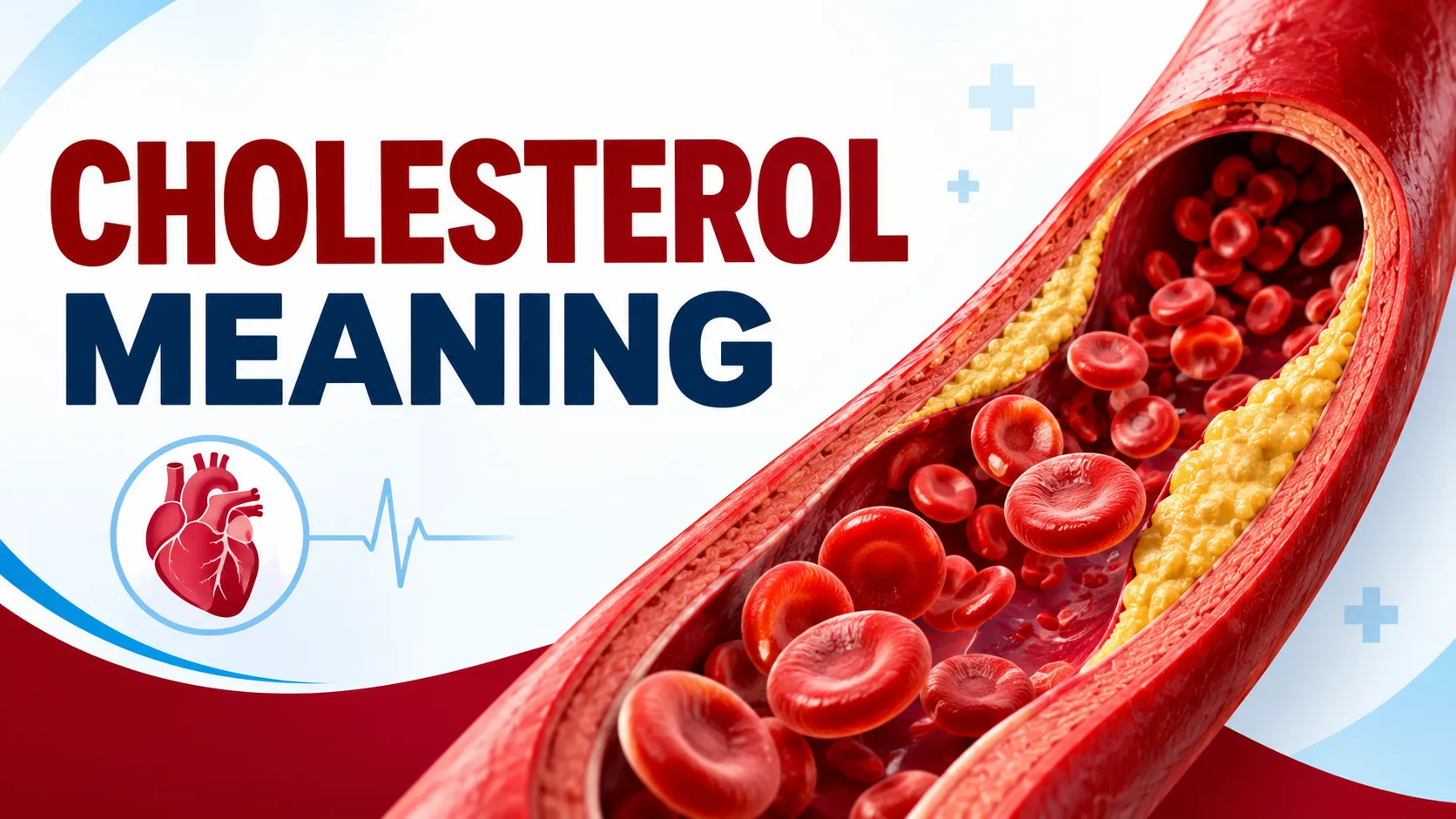
Cholesterol meaning: Cholesterol is a waxy, fat-like substance found in every cell of your body. Your body needs it to build cells, produce certain hormones, make vitamin D, and support digestion. However, too much LDL cholesterol in your blood can contribute to plaque buildup inside your arteries.
In this guide, you will learn what cholesterol means in simple English, the difference between HDL and LDL, how to understand cholesterol test results, and what you can do to support healthier levels.
1. What Does Cholesterol Mean?
Cholesterol is a waxy substance that your body uses to perform several essential functions. Your liver makes most of the cholesterol your body needs, although you also obtain some from animal-based foods.
In medical conversations, cholesterol usually refers to the substance itself or the amount measured in your blood. When someone says they have high cholesterol, they generally mean that one or more blood lipid measurements are above their desired range.
Cholesterol is not automatically harmful. The concern is an unhealthy balance, particularly elevated LDL cholesterol, which can contribute to fatty plaque buildup in artery walls.
In simple words: Cholesterol is a necessary substance in your body, but having too much of certain cholesterol-carrying particles in your blood can harm your heart and blood vessels.
2. What Is Cholesterol in Simple Words?
Imagine cholesterol as a building material your body uses to maintain its cells and produce important substances.
Your body transports cholesterol through your bloodstream using particles called lipoproteins. These particles carry cholesterol and other fats because these substances do not travel freely through watery blood.
Two commonly discussed lipoproteins are HDL and LDL. HDL helps transport cholesterol back to the liver, while elevated LDL can contribute to cholesterol accumulation in artery walls.
This is why doctors evaluate different cholesterol measurements instead of simply trying to eliminate cholesterol.
3. Why Does the Body Need Cholesterol?
Cholesterol supports several normal body functions. Without it, your body would struggle to maintain important cellular structures and produce certain substances.
Its main functions include:
- Building cell membranes: Cholesterol helps maintain the structure and stability of cells.
- Producing hormones: Your body uses cholesterol to make steroid hormones, including cortisol and certain sex hormones.
- Supporting vitamin D production: Cholesterol-related compounds in the skin help the body produce vitamin D when exposed to sunlight.
- Helping digestion: Your liver uses cholesterol to produce bile acids, which help digest and absorb dietary fats.
- Supporting normal body processes: Cholesterol contributes to the functioning of many tissues and organs.
Your body can produce the cholesterol it needs, mainly in the liver. Therefore, the goal is not to eliminate cholesterol completely but to maintain blood lipid levels appropriate for your health.
4. What Are the Different Types of Cholesterol?
People often hear about good cholesterol and bad cholesterol. Technically, HDL and LDL are lipoproteins that transport cholesterol and other fats through the bloodstream.
A lipid panel commonly measures total cholesterol, HDL cholesterol, LDL cholesterol, and triglycerides. Some reports also include non-HDL cholesterol.
| Term | Full meaning | Why it matters |
| HDL | High-density lipoprotein | Helps transport cholesterol back to the liver |
| LDL | Low-density lipoprotein | Elevated levels can contribute to plaque buildup in arteries |
| VLDL | Very-low-density lipoprotein | Mainly carries triglycerides and can contribute to plaque buildup |
| Total cholesterol | Overall cholesterol measurement | Provides a broad view of cholesterol in the blood |
| Non-HDL cholesterol | Total cholesterol minus HDL | Measures cholesterol carried by particles other than HDL |
| Triglycerides | A type of blood fat | Elevated levels can contribute to cardiovascular risk |
Triglycerides are not technically a type of cholesterol, but doctors measure them because they also provide useful information about cardiovascular health.
Understanding these terms can help you read a blood test report and ask more informed questions during a medical appointment.
5. HDL vs. LDL Cholesterol: What Is the Difference?
HDL And LDL perform different roles in cholesterol transport. Their levels help healthcare professionals evaluate cardiovascular risk.
What does HDL cholesterol mean?
HDL stands for high-density lipoprotein. It helps transport cholesterol from tissues and other locations back to the liver, where the body can process and remove it.
People commonly call HDL good cholesterol because higher levels are generally associated with a lower risk of cardiovascular disease. However, HDL does not guarantee protection against heart problems.
What does LDL cholesterol mean?
LDL stands for low-density lipoprotein. When LDL levels are elevated, cholesterol can accumulate in artery walls and contribute to plaque formation.
Over time, this process can narrow arteries and increase the risk of heart attack, stroke, and other cardiovascular problems.
Quick comparison
| Feature | HDL | LDL |
| Common name | Good cholesterol | Bad cholesterol |
| Main role | Helps return cholesterol to the liver | Delivers cholesterol to tissues |
| Main concern | Low levels may indicate increased risk | Elevated levels can promote artery plaque |
| General health goal | Maintain an appropriate level | Keep levels within a personalized target |
Remember: A high HDL result does not automatically cancel out the risks associated with high LDL cholesterol. Both measurements need to be interpreted alongside your other health factors.
6. What Does a Cholesterol Blood Test Mean?
A cholesterol blood test Measures Cholesterol and other fats in your blood. Healthcare professionals commonly call it a lipid panel or lipid profile.
The test helps identify abnormal lipid levels, even when you feel completely healthy.
A typical lipid panel includes:
- Total cholesterol: The overall cholesterol measurement.
- LDL cholesterol: A measurement used to assess cholesterol-related cardiovascular risk.
- HDL cholesterol: Cholesterol carried by HDL particles.
- Triglycerides: The amount of this type of fat circulating in your blood.
- Non-HDL cholesterol: Sometimes reported or calculated by subtracting HDL from total cholesterol.
A healthcare professional may order the test during a routine health assessment or recommend it because of your family history, blood pressure, diabetes, previous results, or other risk factors.
You may or may not need to fast before the test. Follow the instructions provided by your healthcare professional or laboratory.
A cholesterol test does not tell you everything about your heart health. Your clinician may also consider your age, medical history, blood pressure, smoking status, and other risk factors.
7. What Do Cholesterol Numbers Mean?
Cholesterol results are commonly measured in milligrams per deciliter (mg/dL) in the United States. Other countries, including many that use the metric system for laboratory reporting, may use millimoles per liter (mmol/L).
The following figures provide general reference points for many adults.
| Measurement | General adult reference point | Interpretation |
| Total cholesterol | Below 200 mg/dL | Generally desirable |
| LDL cholesterol | Below 100 mg/dL | Often an optimal reference point |
| HDL in men | Below 40 mg/dL is considered low | Low levels may be associated with increased risk |
| HDL in women | Below 50 mg/dL is considered low | Low levels may be associated with increased risk |
| Triglycerides | Below 150 mg/dL | Generally desirable |
These figures are not universal treatment targets. Some people at high cardiovascular risk need substantially lower LDL levels, while children and adolescents have different reference ranges.
For example, a person might have total cholesterol below 200 mg/dL but still have elevated LDL cholesterol. Another person might have low LDL but low HDL.
That is why a single number cannot fully describe your cardiovascular health.
If your report includes an abnormal result, ask your healthcare professional what it means for you and whether you need lifestyle changes, medication, or additional assessment.
8. What Does High Cholesterol Mean?
High cholesterol means that one or more cholesterol measurements are above the desired range for your health needs. The term often refers to elevated LDL cholesterol, although total cholesterol and other lipid measurements also matter.
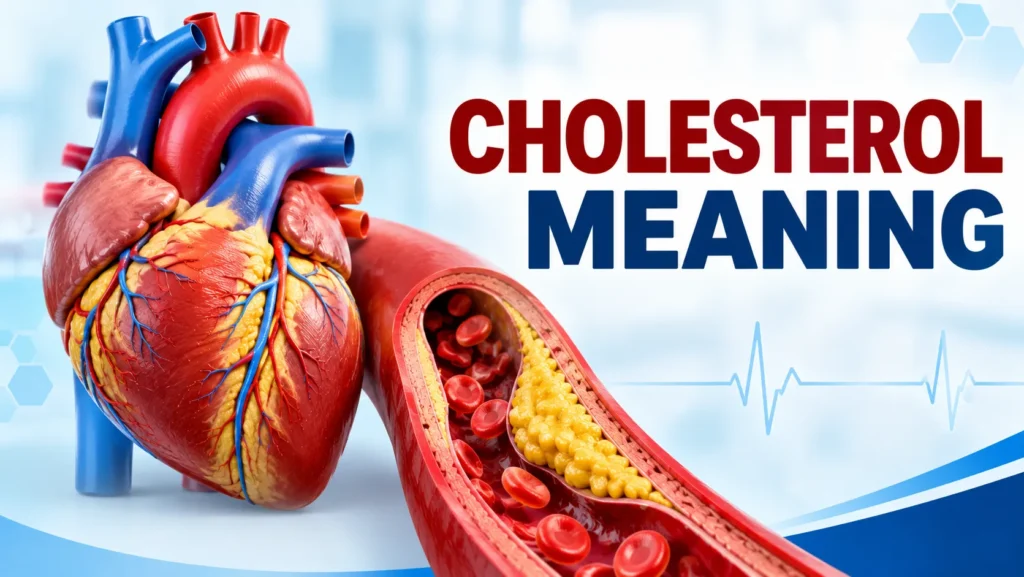
High LDL cholesterol can contribute to atherosclerosis, a condition in which plaque builds up inside artery walls.
As plaque accumulates, arteries can become narrower and less flexible. If a plaque ruptures and a blood clot forms, blood flow may become blocked, potentially causing a heart attack or stroke.
High cholesterol does not mean that a serious event will definitely occur. It means that an important cardiovascular risk factor may need attention.
Your healthcare professional can assess your results and recommend an appropriate plan. Depending on your circumstances, this may include dietary changes, regular exercise, medication, or a combination of approaches.
9. What Does Low Cholesterol Mean?
Low cholesterol means that one or more cholesterol measurements fall below the expected or intended range. Its meaning depends on which measurement is low.
For many people at increased cardiovascular risk, lowering LDL cholesterol is a treatment goal. Low HDL cholesterol, however, may be associated with increased cardiovascular risk.
There is no single low-cholesterol number that has the same meaning for everyone.
If your results show an unusually low measurement, your healthcare professional can determine whether it is expected, related to treatment, or worth investigating.
Do not stop prescribed cholesterol medication or change your dosage based on one result without consulting your clinician.
10. What Causes High Cholesterol?
Several factors can contribute to elevated cholesterol. Some relate to daily habits, while others involve genetics, medical conditions, or age.
Common contributing factors include:
- Diet: Eating a diet high in saturated fat can raise LDL cholesterol in many people. Industrial trans fats can also negatively affect cholesterol levels.
- Physical inactivity: Limited physical activity can contribute to an unfavorable cardiovascular risk profile.
- Genetics: Inherited conditions, including familial hypercholesterolemia, can cause very high LDL cholesterol.
- Medical conditions: Diabetes, an underactive thyroid, kidney disease, and other conditions may affect blood lipid levels.
- Age and family history: Cholesterol patterns can change with age, and family history may indicate inherited susceptibility.
- Certain medicines: Some medications can influence cholesterol or triglyceride levels.
Having one or more risk factors does not guarantee that you will develop high cholesterol. Likewise, a person who eats well and exercises regularly can still have elevated cholesterol because of genetics or other medical factors.
This is one reason regular screening matters, even when you feel healthy.
11. Does High Cholesterol Have Symptoms?
High cholesterol usually does not cause noticeable symptoms. A person can have elevated LDL cholesterol for years without experiencing pain, fatigue, or other obvious warning signs.
This makes cholesterol problems easy to overlook. Feeling healthy does not necessarily mean that your cholesterol levels are within the desired range.
A blood test is a reliable way to determine whether your cholesterol levels are elevated.
In some people with inherited cholesterol disorders, visible cholesterol deposits may develop around tendons or the eyes. These signs do not occur in everyone and cannot replace laboratory testing.
Important: Chest pain, sudden weakness on one side of the body, or sudden difficulty speaking may indicate a medical emergency. Seek emergency medical assistance if these symptoms occur rather than waiting for a cholesterol test.
Ask your healthcare professional how often you should have your cholesterol checked, especially if you have a family history of early heart disease, diabetes, high blood pressure, or other risk factors.
- Related To Another Article: https://genzwishes.com/hazel-meaning/
12. How Can You Manage Cholesterol Levels?
Managing cholesterol starts with understanding your results and following a plan suited to your health needs. Lifestyle changes can help many people, while others also need prescription medication.
Eat a heart-healthy diet.
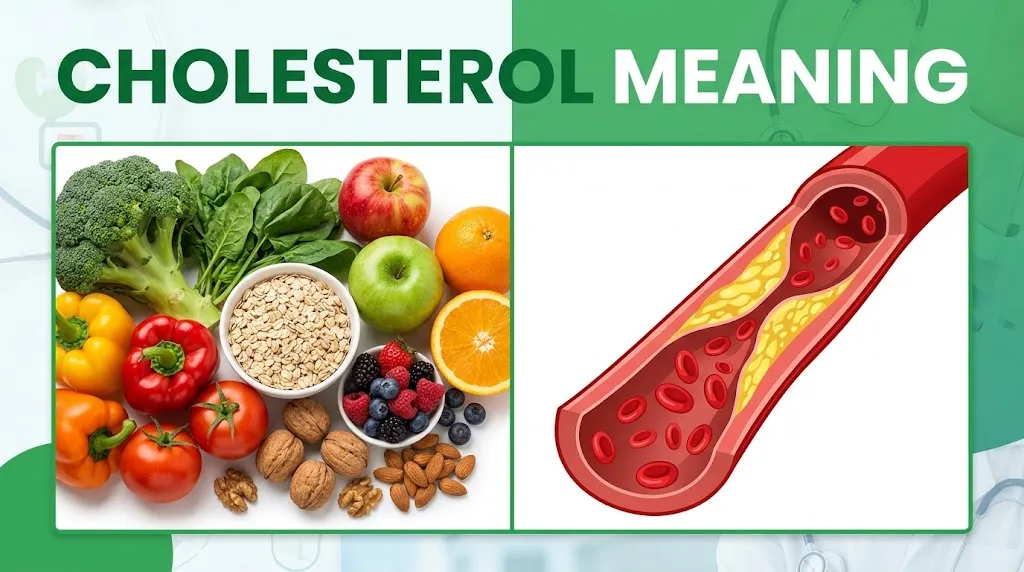
Include vegetables, fruits, whole grains, beans, lentils, nuts, and other fiber-rich foods in your regular meals. Replacing some saturated fats with unsaturated fats can help reduce LDL cholesterol.
Oats, beans, and lentils are useful sources of soluble fiber.
Exercise regularly
Regular physical activity supports cardiovascular health and may improve some cholesterol and triglyceride measurements. Many adults can aim for at least 150 minutes of moderate-intensity aerobic activity per week, adjusted to their abilities and medical circumstances.
Avoid smoking
Smoking damages blood vessels and increases cardiovascular risk. Quitting smoking can help protect your heart and circulation.
Maintain a healthy weight when appropriate.e
For people who have excess weight, gradual weight loss may improve triglycerides and other cardiovascular risk factors. The appropriate goal depends on individual circumstances.
Take prescribed medication as directed
Depending on your cholesterol levels and overall cardiovascular risk, your clinician may recommend cholesterol-lowering medication, such as a statin. Some people need additional medicines.
Do not replace prescribed treatment with supplements or unproven home remedies. Ask your clinician before taking supplements because they can interact with medications.
Follow up with your healthcare professio.nal
Your clinician may recommend repeat testing to evaluate your progress or check how well a treatment is working. Follow the schedule they recommend.
13. Common Cholesterol Myths and Facts
Misunderstandings about cholesterol can lead to unnecessary worry or ineffective decisions. Here are six common myths worth understanding.
Myth 1: All cholesterol is bad.
Fact: Your body needs cholesterol to maintain cells and produce important substances. The concern is an unhealthy balance of blood lipids, particularly elevated LDL cholesterol.
Myth 2: Thin people cannot have high cholesterol.
Fact: People of any body size can have high cholesterol because genetics, medical conditions, age, and other factors influence their results.
Myth 3: High cholesterol always causes symptoms.
Fact: High cholesterol usually has no obvious symptoms. Blood testing is necessary to identify elevated levels.
Myth 4: High HDL makes high LDL harmless.
Fact: HDL has a useful role in cholesterol transport, but high HDL does not eliminate the risks associated with elevated LDL.
Myth 5: Diet is the only cause of high cholesterol.
Fact: Diet matters, but inherited conditions, medical conditions, age, and certain medications can also contribute.
Myth 6: Everyone should have the same LDL target.
Fact: Appropriate LDL targets depend on individual cardiovascular risk and clinical circumstances.
Understanding these distinctions can help you make better-informed decisions with your healthcare professional.
People Also Ask
A: Cholesterol is a waxy, fat-like substance your body needs to build cells, produce certain hormones, and support digestion. Too much LDL cholesterol in the blood can increase cardiovascular risk.
A: Cholesterol is necessary for normal body functions, so it is not automatically bad. The amount and type of cholesterol circulating in your blood matter. Elevated LDL cholesterol can contribute to plaque buildup in arteries.
A: It means that one or more lipid measurements are above the desired range. A healthcare professional considers your LDL, HDL, total cholesterol, triglycerides, and overall cardiovascular risk to interpret your results.
A: HDL stands for high-density lipoprotein and helps transport cholesterol back to the liver. LDL stands for low-density lipoprotein, and elevated levels can contribute to plaque buildup in arteries.
A: Yes. High cholesterol usually does not produce noticeable symptoms. A blood test is the reliable way to determine your cholesterol levels.
Conclusion
Cholesterol is a necessary substance that helps your body build cells, produce hormones, and support digestion. However, elevated LDL cholesterol can contribute to plaque buildup in arteries and increase the risk of heart disease and stroke.
Understanding HDL, LDL, total cholesterol, and triglycerides makes it easier to interpret a lipid panel and ask informed questions about your health.
Because high cholesterol usually causes no symptoms, regular testing and professional guidance are important. A balanced diet, regular physical activity, avoiding smoking, and appropriate medical treatment can help manage cholesterol levels.
If this guide helped you understand what cholesterol means, consider bookmarking it for future reference or sharing it with someone who wants to learn more about cholesterol test results.